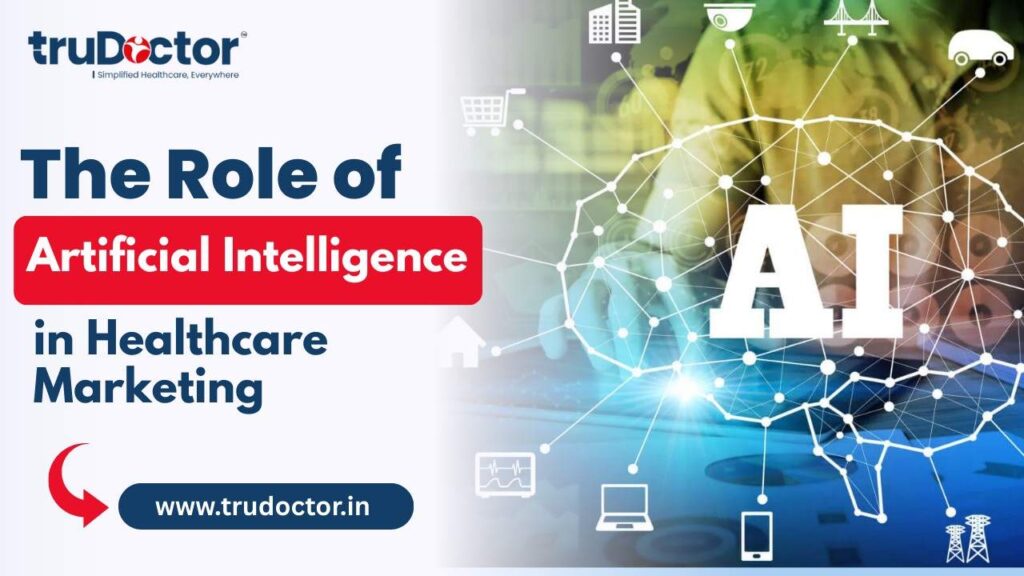
In today’s digital world – where patients are now just a quick Google search away from judging our doctors, clinics and hospitals – it’s harder than ever for healthcare providers to stand out from the crowd. There’s just so much dodgy info online these days that barely scratches the surface, it’s no wonder it’s getting hard for our clinics to get noticed. That’s where artificial intelligence in healthcare marketing is doing its thing – really making a difference. AI is helping clinics try to work out what their patients really need, answer queries in a flash, and find the right people to target at the right time.
This blog is here to help you make sense of how AI can make healthcare marketing both smarter & more effective. We are going to look into just how clinics and hospitals can start using AI tools to not just improve patient communication but get their online presence firing on all cylinders & grow their practice without breaking a sweat.
What is Artificial Intelligence (AI)?
Artificial Intelligence (AI) refers to computer systems that can think, learn, and make decisions like humans. In simple terms, AI analyzes large amounts of data, finds patterns, and helps businesses make smarter choices. For healthcare marketers, artificial intelligence in healthcare marketing means using smart tools that understand patient behavior, predict trends, and automate tasks that normally take a lot of time.
AI is not complicated to use—most tools work in the background. They help clinics understand what patients are searching for, improve online visibility, personalize messages, and manage marketing activities with accuracy. Whether it’s SEO, social media planning, or patient engagement, AI supports marketers by offering real-time insights and data-driven recommendations. This makes it easier for healthcare professionals to connect with the right audience and grow their digital presence effectively.
How AI Is Already Transforming Healthcare
Artificial intelligence is transforming the healthcare landscape in a lot of really significant ways, and it’s not just changing the marketing world. To understand why artificial intelligence in healthcare marketing is so darn effective, we need to look at the broader picture and see how AI is already making a big impact in medical care. Hospitals these days are using AI to scan for diseases at an earlier stage, get through medical images a heck of a lot faster and aid doctors in making better decisions. This all helps to cut down on human error and ensures that patients are getting quicker, safer and more tailored treatment.
But AI is also making a big difference in the patient experience thanks to some really smart systems like voice assistants, automated reminders, virtual checkups and remote monitoring. This makes it possible for doctors to keep tabs on how patients are doing, keep on top of chronic diseases and provide ongoing care – without needing to have in-person appointments every single time. Once you get a glimpse of the bigger picture, it becomes clear why AI-driven tools in healthcare marketing – like chatbots, predictive analytics, and automated campaigns – have become essential. They line up perfectly with how healthcare is evolving: smarter, faster and way more patient-focused.
Core Ways Artificial Intelligence Enhances Healthcare Marketing
Artificial intelligence in healthcare marketing is transforming how doctors, clinics, and hospitals connect with patients. By using data, automation, and smart tools, AI allows healthcare brands to work faster, understand patient behavior better, and deliver highly personalized digital experiences. Below are the most effective ways AI improves healthcare marketing today.

1. Smarter Audience Targeting
AI analyzes patient search patterns, location data, symptoms, and online behavior to help healthcare brands reach the right audience at the right time. This ensures that campaigns focus on people who are actively looking for treatments, specialists, or healthcare services—boosting conversions and lowering ad costs.
2. Personalized Patient Communication
AI-powered chatbots, WhatsApp automation, and virtual assistants help clinics respond instantly to patient queries. From booking appointments to answering FAQs, personalized communication makes patients feel supported and increases trust in the medical brand.
3. Predictive Analytics for Better Decision-Making
AI tools can predict patient needs before they even take action. For example, predictive analytics can identify seasonal diseases, rising patient interests, or trending medical concerns. This helps healthcare marketers plan better campaigns and create more helpful content.
4. AI-Driven Content Creation & Optimization
AI helps identify high-volume keywords, trending topics, and content gaps. It suggests blog ideas, improves SEO, and helps marketers create content that ranks higher on Google. This is especially useful for healthcare businesses aiming to strengthen their online visibility.
5. Improved Patient Experience With Automation
Automated reminders, follow-ups, and feedback collection make the patient journey smoother. AI ensures that clinics stay connected with patients, reduce no-shows, and maintain long-term relationships—making healthcare marketing more efficient.
6. Better Ad Performance With Machine Learning
Machine learning helps optimize ads on platforms like Google, Facebook, and Instagram by studying what works best. It reduces wasted ad spend and ensures that healthcare campaigns deliver measurable results.
7. Enhanced Reputation Management
AI tools can monitor online reviews, analyze patient sentiments, and alert clinics about negative feedback. This helps healthcare brands maintain a positive online reputation and quickly respond to concerns.
Challenges & Risks — What to Watch Out For When Using AI in Healthcare Marketing
While artificial intelligence in healthcare marketing offers powerful advantages, it also comes with challenges that clinics and healthcare brands must understand. Being aware of these risks helps you use AI responsibly and avoid problems that could affect your reputation or patient trust.
1. Data Privacy & Patient Confidentiality
Healthcare data is extremely sensitive. AI tools collect and analyze patient information, which raises concerns about privacy and security. Clinics must ensure that every AI tool they use follows HIPAA-like data protection standards, uses encryption, and keeps patient details safe from misuse or cyberattacks.
2. Risk of Inaccurate Insights
AI makes predictions based on data, but if the data is incomplete, outdated, or incorrect, the results can be misleading. This may affect marketing decisions like campaign targeting or patient behavior analysis. Regular monitoring and human supervision are important to ensure accurate outcomes.
3. Over-dependence on Automation
AI can automate communication, ads, and content, but relying too much on automation can make your brand feel robotic. Healthcare requires empathy. Always balance AI-driven tools with human interaction to maintain trust and emotional connection with patients.
4. High Implementation Costs
Advanced AI tools, chatbots, and analytics platforms may need investment. Smaller clinics or independent doctors may find initial costs challenging. However, choosing scalable AI tools or partnering with an agency like TruDoctor can reduce this burden.
5. Ethical & Compliance Issues
AI-generated content or automated responses must follow medical guidelines. Sharing incorrect medical information can lead to legal issues. Always review AI-generated content to make sure it is medically accurate and ethical.
6. Lack of Skilled Professionals
Not all healthcare teams understand how to use AI tools effectively. Without the right guidance, even powerful tools may fail. Training or hiring AI-aware digital marketing experts becomes necessary for long-term success.
Why TruDoctor Is Well-Positioned to Leverage AI for Local Clinics in Varanasi
TruDoctor understands the real challenges faced by local clinics and hospitals across Varanasi and Uttar Pradesh. With strong expertise in healthcare digital marketing and a deep understanding of patient behavior, TruDoctor knows exactly how to use artificial intelligence in healthcare marketing to help medical practices grow. Unlike generic marketing agencies, TruDoctor focuses only on healthcare, which gives it a strong advantage in building smarter, more effective AI-driven strategies.
Key Reasons Why TruDoctor Leads in AI-Powered Healthcare Marketing
- Deep Local Market Understanding – TruDoctor knows how patients in Varanasi and U.P. search online, what they expect, and what influences their decision to visit a doctor.
- Healthcare-Specific Expertise – Years of working solely with doctors, clinics, and hospitals ensure that every AI strategy is relevant and practical.
- AI-Driven Patient Insights – TruDoctor uses AI tools to study patient behavior, search trends, and appointment patterns to improve marketing performance.
- Better Local SEO Results – AI helps TruDoctor optimize Google My Business, keywords, and location-based rankings for maximum visibility.
- Smart Automation for Clinics – From automated appointment reminders to AI chat assistants, TruDoctor helps clinics improve patient communication and reduce workload.
- Data-Backed Decision Making – Every marketing action is supported by accurate analytics, ensuring measurable growth for healthcare practices.
Also Read: https://trudoctor.in/local-advertising-strategies-for-healthcare-in-varanasi/
Conclusion
Artificial intelligence in healthcare marketing is no longer optional—it has become a powerful tool that helps clinics, hospitals, and doctors reach the right patients at the right time. With AI-driven insights, better local SEO, and smart automation, healthcare businesses can grow faster and build stronger digital visibility. TruDoctor uses advanced AI tools combined with deep knowledge of the healthcare industry, making it easier for medical professionals in Varanasi and Uttar Pradesh to expand their reach. As AI continues to shape the future of digital marketing, clinics that adopt these smart strategies now will stay ahead of the competition and create long-term success.
Frequently Asked Questions
1. How is artificial intelligence used in healthcare marketing?
Artificial intelligence is used to analyze patient behavior, improve targeting, automate communication, and enhance overall marketing performance. It helps clinics reach potential patients more effectively through data-driven decisions, personalized content, and smarter local SEO strategies.
2. Why is AI important for clinics and hospitals in India?
AI helps medical practices understand what patients are searching for, when they are most active online, and how to communicate with them better. This leads to more appointments, improved patient experience, and stronger online visibility—especially for clinics in competitive cities like Varanasi.
3. Can AI improve local SEO for doctors?
Yes. AI tools can analyze keywords, track rankings, optimize Google My Business profiles, and recommend updates that boost local visibility. This ensures that doctors appear in “near me” searches and attract more nearby patients.
4. How does TruDoctor use AI to help healthcare professionals?
TruDoctor uses AI to study patient trends, optimize websites, manage online reputation, and automate marketing tasks. This allows clinics to save time, reduce workload, and grow faster with accurate, data-backed strategies designed specifically for healthcare.
5. Is AI expensive for small clinics?
Not necessarily. Many AI-based tools used for marketing—like chatbots, SEO automation, and analytics—are affordable and deliver high returns. Even small clinics can use AI to increase visibility and attract more patients without overspending.